Spatial DNA Solutions
Disconnected systems create gaps in operations, data, and decision-making. Spatial DNA provides a workflow and decision orchestration layer that ensures processes move correctly across systems with consistent logic, controlled execution, and fully aligned outcomes.
Infrastructure Workflow Automation
Workflows span multiple systems, but no system manages the full process. As work moves across platforms, steps are missed and teams step in to manually coordinate progress.
Spatial DNA ensures workflows are governed end-to-end. Each step is controlled, transitions are validated, and the right actions happen automatically.


Asset Management and Prioritization
Asset data exists across systems, but decisions are often made in isolation. Without alignment, prioritization becomes inconsistent and difficult to defend.
Spatial DNA aligns asset data, work, and cost so decisions follow consistent logic and are based on trusted, connected information.
Service Requests, Permitting and Inspections
Requests, permits, and inspections move across multiple systems with manual handoffs between steps. This creates delays and inconsistent outcomes.
Spatial DNA ensures each step triggers the next so workflows move forward with consistency and control.


Capital Planning and Coordination
Capital plans are created in one system and executed across others. As work progresses, alignment between planned and actual outcomes becomes unclear.
Spatial DNA continuously reconciles planned and actual work so budgets, timelines, and execution stay aligned.
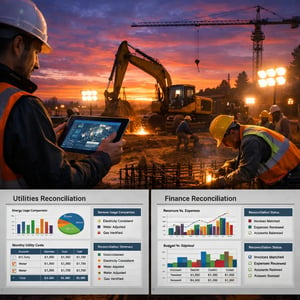
Utilities and Field to Finance Operations
Work is completed in the field, time is tracked separately, and costs are recorded elsewhere. These rarely stay aligned.
Spatial DNA ensures work, time, and cost reconcile across systems so financials reflect operational reality.

Infrastructure Risk and Resilience
Risk data exists across systems but is not consistently connected to operational action.
Spatial DNA ensures risk signals trigger the right workflows so issues are addressed proactively and consistently.
Cross-System Data Integrity and Reconciliation
Data moves across systems but does not stay aligned. Differences in status, structure, and timing create inconsistencies that require manual reconciliation. Spatial DNA continuously compares and reconciles system states so information, status, and outcomes remain accurate and consistent across every system.


Operational Visibility and Auditability
Workflows span systems without a clear record of what happened, when, or why. This limits visibility and makes reporting difficult. Spatial DNA ensures every action, decision, and change is traceable so workflows are fully visible and outcomes are auditable across systems.